Thermal Comfort Revolution: How Flooring Insulation Can Slash Your Energy Bills
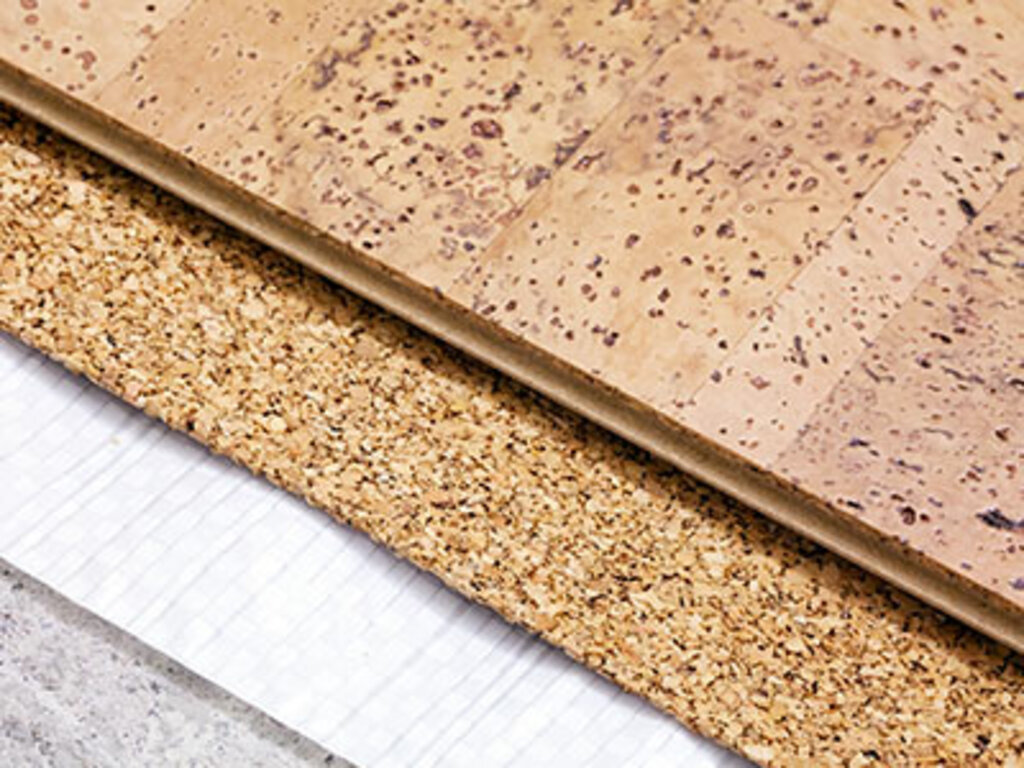 In an era where energy efficiency is more crucial than ever, homeowners are constantly seeking innovative solutions to reduce their energy bills while enhancing comfort. One of the most effective yet often overlooked strategies is flooring insulation. This blog post will delve into the thermal comfort revolution, exploring how proper flooring insulation can significantly slash your energy bills, improve indoor comfort, and contribute to a more sustainable future.
Understanding Thermal Comfort
Thermal comfort refers to the state of mind that expresses satisfaction with the surrounding environment's temperature. It is influenced by various factors, including air temperature, humidity, air movement, and the temperature of surfaces, including floors. Achieving thermal comfort is essential for maintaining a pleasant living environment, especially in regions with extreme weather conditions.
Insulation plays a pivotal role in maintaining thermal comfort. It acts as a barrier to heat flow, keeping your home warm in winter and cool in summer. While most people are aware of wall and roof insulation, flooring insulation is often neglected. However, it can significantly impact your home's overall energy efficiency.
The Benefits of Flooring Insulation
1. Energy Efficiency
One of the primary benefits of flooring insulation is its ability to enhance energy efficiency. By insulating your floors, you can reduce heat loss during winter and minimize heat gain during summer. This means your heating and cooling systems won’t have to work as hard, leading to lower energy consumption and reduced utility bills.
2. Improved Comfort
Insulated floors provide a more comfortable living environment. Cold floors can make a room feel chilly, even if the air temperature is warm. By insulating your floors, you can maintain a consistent temperature throughout your home, ensuring that every room feels cozy and inviting.
3. Noise Reduction
Flooring insulation also acts as a sound barrier, reducing noise transmission between floors. This is particularly beneficial in multi-story homes or apartments, where noise from footsteps or appliances can be disruptive. Insulated floors can help create a quieter, more peaceful living space.
4. Increased Home Value
Investing in flooring insulation can increase your home’s value. Energy-efficient homes are in high demand, and potential buyers are often willing to pay a premium for properties that offer lower energy bills and enhanced comfort. By upgrading your flooring insulation, you can make your home more attractive to future buyers.
5. Environmental Impact
Reducing energy consumption not only saves you money but also benefits the environment. By insulating your floors, you can decrease your carbon footprint and contribute to a more sustainable future. This is especially important as we face the challenges of climate change and the need for more eco-friendly living solutions.
Types of Flooring Insulation
When it comes to flooring insulation, there are several options available. Each type has its own advantages and is suitable for different situations. Here are some of the most common types of flooring insulation:
1. Rigid Foam Board Insulation
Rigid foam board insulation is a popular choice for insulating floors. It is made from polystyrene, polyisocyanurate, or polyurethane and provides excellent thermal resistance. Rigid foam boards can be installed directly under the flooring material, creating a barrier that prevents heat loss.
2. Fiberglass Insulation
Fiberglass insulation is another common option for flooring insulation. It consists of tiny glass fibers that trap air, providing effective thermal resistance. Fiberglass batts can be installed between floor joists, making it a cost-effective solution for insulating crawl spaces and basements.
3. Spray Foam Insulation
Spray foam insulation is a versatile option that can be used for various applications, including flooring. It is applied as a liquid and expands to fill gaps and cracks, creating an airtight seal. This type of insulation provides excellent thermal resistance and can help prevent moisture issues.
4. Mineral Wool Insulation
Mineral wool insulation, also known as rock wool, is made from natural or recycled materials. It is fire-resistant, soundproof, and provides good thermal insulation. Mineral wool batts can be installed between floor joists, making it a suitable option for insulating floors.
5. Reflective or Radiant Barrier Insulation
Reflective or radiant barrier insulation is designed to reflect heat away from living spaces. It is particularly effective in hot climates where cooling costs can be high. This type of insulation can be installed under floors to help keep your home cooler during the summer months.
How to Insulate Your Floors
Step 1: Assess Your Current Insulation
Before you begin insulating your floors, it’s essential to assess your current insulation situation. Check for any gaps, cracks, or areas where heat may be escaping. This will help you determine the best insulation method for your home.
Step 2: Choose the Right Insulation Material
Based on your assessment, choose the insulation material that best suits your needs. Consider factors such as cost, ease of installation, and thermal performance. If you’re unsure, consult with a professional insulation contractor for guidance.
Step 3: Prepare the Area
Before installing insulation, prepare the area by cleaning and clearing any debris. If you’re working in a crawl space or basement, ensure that the area is dry and free from moisture. This will help prevent mold and mildew growth.
Step 4: Install the Insulation
Follow the manufacturer’s instructions for installing the insulation material. For fiberglass batts, cut the insulation to fit snugly between floor joists. For rigid foam boards, cut them to size and secure them in place. If using spray foam insulation, apply it evenly to fill gaps and cracks.
Step 5: Seal Any Gaps
After installing the insulation, seal any gaps or cracks with caulk or spray foam. This will help create an airtight seal, preventing heat loss and improving energy efficiency.
Step 6: Finish the Floor
Once the insulation is installed and sealed, you can finish the floor with your desired flooring material. Whether you choose hardwood, laminate, carpet, or tile, your insulated floors will provide enhanced comfort and energy efficiency.
Common Myths About Flooring Insulation
Myth 1: Insulation is Only Necessary in Cold Climates
While insulation is crucial in cold climates, it is equally important in hot climates. Proper insulation helps maintain a comfortable indoor temperature year-round, regardless of the external weather conditions.
Myth 2: All Insulation is the Same
Not all insulation materials are created equal. Different types of insulation offer varying levels of thermal resistance, soundproofing, and moisture control. It’s essential to choose the right insulation material for your specific needs.
Myth 3: Insulation is Too Expensive
While there is an upfront cost associated with insulation, the long-term savings on energy bills can make it a cost-effective solution. Additionally, many financing options and rebates are available to help offset the initial investment.
Conclusion
The thermal comfort revolution is here, and flooring insulation is at the forefront of this movement. By investing in proper flooring insulation, you can significantly reduce your energy bills, enhance indoor comfort, and contribute to a more sustainable future. With various insulation options available, there’s a solution for every home and budget.