Solid Wood vs Engineered Wood Flooring: Which is Right for Your Home?
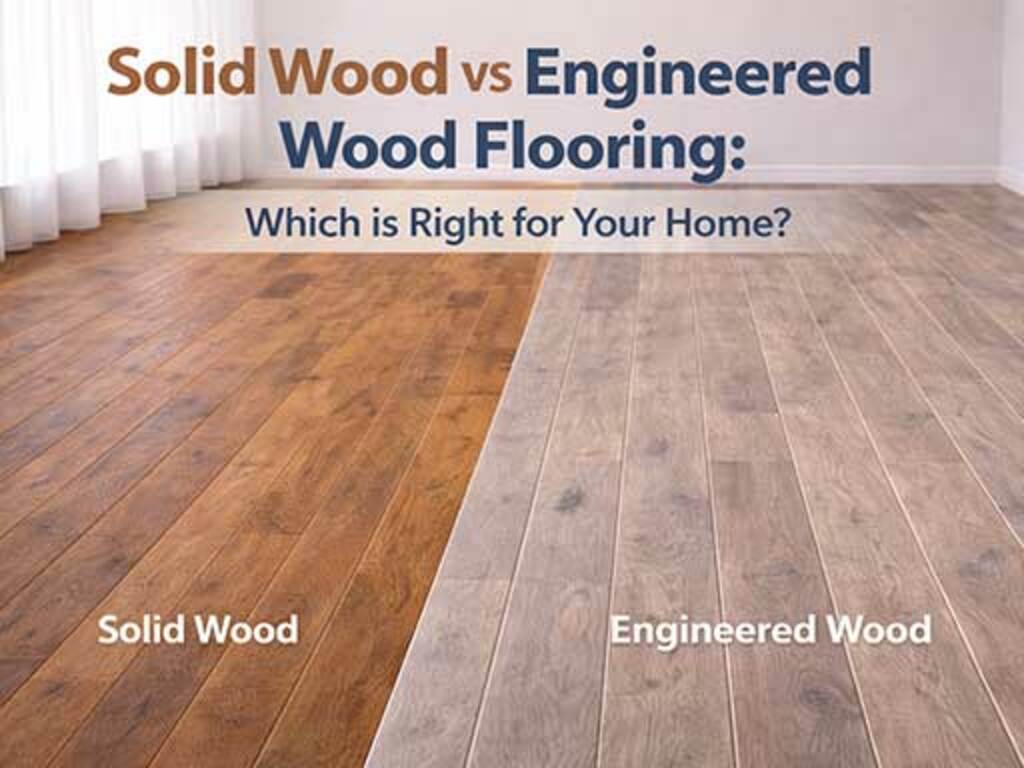 When selecting new flooring for your home, the choice between solid wood vs engineered wood flooring remains one of the most significant decisions you'll make. Both options offer genuine wood aesthetics, yet they differ fundamentally in construction, performance and suitability for different environments. Understanding these differences empowers you to make an informed decision that aligns with your lifestyle, budget and property conditions.
Solid wood flooring comprises planks milled entirely from a single piece of timber. These boards are typically 12-22mm thick and are attached directly to a subfloor. Engineered wood, by contrast, features a thin veneer of genuine hardwood bonded to a plywood or high-density fibreboard core. This layered construction offers distinct advantages in stability and moisture resistance.
Construction and Material Differences
Solid Wood Flooring Composition
Solid wood planks are cut from sustainably sourced timber and offer authentic wood grain throughout their entire depth. Popular species include oak, walnut, ash and maple. The thickness—typically ranging from 12mm to 22mm—allows for multiple sanding and refinishing cycles over the flooring's lifetime, extending its lifespan significantly. Reputable manufacturers like Boen produce solid wood flooring with stringent quality controls and sustainable forestry practices.
Engineered Wood Construction
Engineered wood flooring uses a cross-grain plywood foundation topped with a hardwood veneer layer (usually 2-6mm thick). This construction method reduces wood movement and makes the product more dimensionally stable. Brands such as Elka and Kahrs specialise in engineered wood solutions, offering products that perform exceptionally well in challenging conditions. The core materials absorb moisture expansion, preventing the cupping and warping common in solid wood.
Key Differences Between Solid and Engineered Wood
- Moisture Sensitivity: Solid wood responds to humidity changes, whilst engineered wood's layered construction provides superior moisture resistance, making it ideal for kitchens, bathrooms and basements
- Installation Flexibility: Solid wood requires professional nail-down installation on suspended timber subfloors; engineered wood can be glued, nailed or floated, offering greater versatility
- Cost Considerations: Solid wood typically costs more upfront, though its refinishing potential provides long-term value; engineered wood offers affordability with decent longevity
- Refinishing Capability: Solid wood can be sanded and refinished multiple times; engineered wood's thin veneer limits refinishing to once or twice maximum
- Aesthetic Authenticity: Solid wood exhibits consistent grain patterns throughout; engineered wood's veneer provides a genuine wood appearance at the surface only
Performance in Different Environments
Underfloor Heating Compatibility
If your home features underfloor heating, engineered wood significantly outperforms solid wood. Its cross-grain construction and stable core minimise movement during temperature fluctuations. Products from Kahrs are specifically engineered to work with heating systems, maintaining dimensional stability whilst maximising comfort. Solid wood can crack or separate when exposed to rapid temperature changes, making it less suitable for heated floors.
Moisture-Prone Areas
Kitchens, bathrooms and utility rooms present moisture challenges that favour engineered flooring. The plywood base of engineered products resists moisture penetration better than solid wood, reducing expansion and contraction risks. However, modern solid wood options from premium manufacturers like Boen now incorporate moisture-resistant treatments, though engineered solutions remain the safer choice for wet environments.
High-Traffic Spaces
Both flooring types perform well in high-traffic areas when properly installed and maintained. Solid wood's thickness provides durability for refinishing later, whilst engineered wood's stable construction resists movement under heavy foot traffic. Commercial-grade engineered products often outlast their solid counterparts in demanding environments.
Installation Requirements and Considerations
Solid Wood Installation Process
Professional installation is essential for solid wood flooring. Installers must acclimate boards to your home's humidity levels for 5-7 days before laying, preventing post-installation movement. The flooring is typically nailed to timber subfloors using specialist equipment. Your existing subfloor must be properly prepared, as any movement or moisture issues will transfer directly to the solid wood.
Engineered Wood Installation Options
Engineered wood offers flexibility that appeals to many homeowners. You can choose from:
- Floating installation—no adhesive or nails required, simply laying boards over an underlay
- Glue-down application—suitable for concrete subfloors and provides a stable, permanent result
- Nail-down method—similar to solid wood but faster and potentially less disruptive
This versatility means engineered wood suits period properties, renovations and properties with concrete subfloors where solid wood isn't practical. Elka's engineered products are engineered for straightforward installation, often reducing labour costs and timescales.
Cost Comparison and Long-Term Value
Initial purchase prices favour engineered wood, typically costing 20-40% less than comparable solid wood products. However, the total cost of ownership differs significantly. Solid wood's refinishing capability extends its lifespan to 50+ years, whilst engineered wood typically lasts 15-30 years. If you value longevity and plan to remain in your home for decades, solid wood's higher upfront investment may deliver superior long-term value.
Maintenance costs also differ. Solid wood requires professional refinishing every 7-10 years (£6-12 per square metre), whilst engineered wood depends primarily on surface protection through regular cleaning and occasional resealing.
Aesthetic and Design Considerations
Solid wood flooring offers unparalleled authenticity. Premium brands like Boen provide extensive species, finishes and plank width options, creating truly bespoke interiors. The character and depth of real wood throughout each board cannot be replicated. Engineered wood provides excellent visual appeal with authentic hardwood surfaces, though some discerning eyes detect subtly different grain patterns compared to solid wood.
Both options support contemporary and traditional design schemes equally. Your choice should align with your aesthetic preferences, not architectural constraints, unless environmental factors dictate otherwise.
Durability and Longevity
Solid wood flooring, when properly maintained and periodically refinished, lasts generations—often 50-100+ years. The ability to sand away scratches and marks keeps the floor looking fresh throughout its lifetime. Engineered wood's lifespan depends on core quality and veneer thickness. Quality engineered products from established manufacturers like Kahrs offer 20-30 years of reliable performance, though they cannot be refinished as extensively as solid wood.
Environmental factors significantly impact durability. In stable, climate-controlled homes, both perform admirably. In properties with humidity fluctuations or temperature variations, engineered wood's superior stability becomes invaluable.
Making Your Decision
Choose solid wood if you value longevity, plan to refinish your floors eventually, have a timber subfloor in good condition, and live in a relatively stable climate. It represents an investment in your home's future. Opt for engineered wood if you have concrete subfloors, require flexibility in installation methods, need underfloor heating compatibility, have moisture concerns, or prefer lower initial costs with adequate durability for your needs.
Whichever direction you choose, investing in quality products from established manufacturers like Boen, Elka or Kahrs ensures you receive genuine materials, superior craftsmanship and reliable performance. Both solid and engineered wood flooring deliver authentic wooden floors that enhance your home's warmth and value when selected thoughtfully for your specific circumstances.