The Ultimate Guide to Choosing the Perfect Hardwood Floors
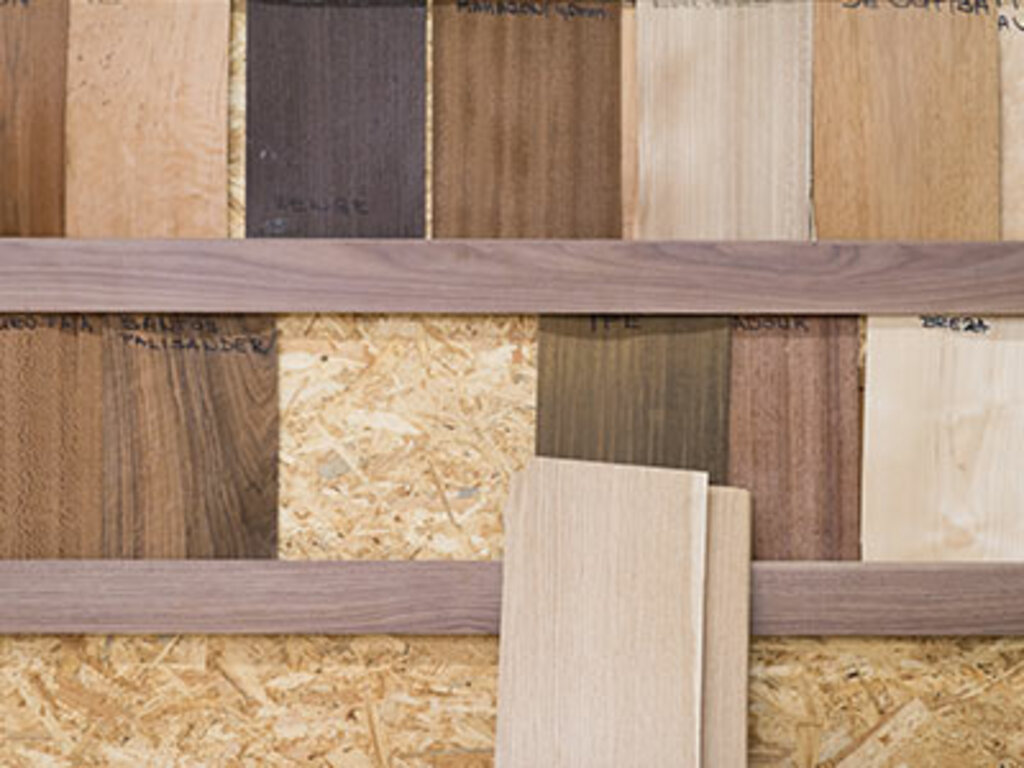 When it comes to home design, few elements have the power to transform a space quite like hardwood flooring. Not only does it add warmth and elegance, but it also offers durability that can withstand the test of time. However, with so many options available, choosing the perfect hardwood floors for your home can be a daunting task. In this ultimate guide, we will explore everything you need to know about selecting hardwood floors that align with your aesthetic preferences and durability requirements.
Understanding Hardwood Flooring
Hardwood flooring is made from solid wood and is known for its natural beauty and durability. Unlike laminate or engineered wood, hardwood floors are crafted from real wood, which gives them a unique character and charm. They can be sanded and refinished multiple times, allowing them to maintain their appearance for decades.
Types of Hardwood Flooring
There are two main types of hardwood flooring: solid and engineered.
- Solid Hardwood: Made from a single piece of wood, solid hardwood is typically ¾ inch thick and can be sanded and refinished multiple times. It is best suited for areas with stable humidity levels.
- Engineered Hardwood: Composed of multiple layers of wood, engineered hardwood is more resistant to moisture and temperature changes. It can be installed in areas where solid hardwood is not recommended, such as basements.
Aesthetic Considerations
The color of your hardwood floors can dramatically affect the overall aesthetic of your home. Here are some popular options:
- Light Woods: Maple and ash offer a bright, airy feel, making spaces look larger and more open.
- Medium Woods: Oak and hickory provide a warm, inviting atmosphere that complements a variety of design styles.
- Dark Woods: Walnut and mahogany add a touch of luxury and sophistication, perfect for formal settings.
The finish of your hardwood floors also plays a crucial role in their appearance. Options include:
- Matt Finish: Offers a natural look and is less prone to showing scratches.
- Satin Finish: Provides a slight sheen, balancing elegance and practicality.
- Gloss Finish: Adds a high-shine look but may require more maintenance.
The grain pattern of hardwood can vary significantly between species. Some common patterns include:
- Straight Grain: Offers a classic, uniform look.
- Wavy Grain: Adds visual interest and texture.
- Interlocked Grain: Creates a unique, swirling pattern that can be quite striking.
The width and length of hardwood planks can also influence the aesthetic of your space. Wider planks can create a more modern look, while narrower planks may evoke a traditional feel. Additionally, longer planks can make a room appear larger, while shorter planks can add a cosy, intimate vibe.
Durability Factors
The Janka hardness test measures the resistance of wood to denting and wear. When choosing hardwood floors, consider the following hardness ratings:
- Softwoods: Pine and cedar are softer and may not be suitable for high-traffic areas.
- Hardwoods: Oak, maple, and hickory are more durable and ideal for busy households.
The finish on your hardwood floors can significantly impact their durability. Common finish types include:
- Oil-Based Polyurethane: Offers excellent durability and a warm tone but takes longer to dry.
- Water-Based Polyurethane: Dries quickly and has a clear finish, making it ideal for lighter woods.
- Aluminum Oxide: Provides superior scratch resistance and is often used in pre-finished hardwood.
To keep your hardwood floors looking their best, regular maintenance is essential. This includes:
- Sweeping or Vacuuming: Remove dirt and debris regularly to prevent scratches.
- Mopping: Use a damp mop with a hardwood floor cleaner to maintain shine.
- Refinishing: Depending on wear, hardwood floors may need refinishing every 5-10 years.
Choosing the Right Species
When selecting hardwood floors, consider the following popular species:
- Oak: Known for its strength and versatility, oak is available in both red and white varieties.
- Maple: Offers a light, uniform appearance and is highly durable.
- Hickory: Features a unique grain pattern and is one of the hardest domestic woods.
Exotic woods, such as Brazilian cherry and teak, can add a unique flair to your home. However, they often come at a higher price point and may require more maintenance. Domestic woods, on the other hand, are more readily available and typically more affordable.
Installation Methods
Nail Down
Nail-down installation is a traditional method where planks are nailed to a wooden subfloor. This method is best for solid hardwood and provides a sturdy, long-lasting floor.
Glue Down
Glue-down installation involves adhering the planks directly to the subfloor using adhesive. This method is commonly used for engineered hardwood and is suitable for areas with moisture concerns.
Floating
Floating installation allows the planks to "float" over the subfloor without being attached. This method is ideal for engineered hardwood and can be a DIY-friendly option.
Cost Considerations
When budgeting for hardwood floors, consider the following costs:
- Material Costs: Prices can vary significantly based on the species and quality of the wood.
- Installation Costs: Professional installation can add to your overall budget, but DIY installation can save money.
- Maintenance Costs: Factor in the long-term costs of maintenance and refinishing.
While hardwood floors may have a higher upfront cost, they often provide long-term value. Their durability and timeless appeal can increase your home's resale value, making them a worthwhile investment.
Sustainability and Environmental Impact
As sustainability becomes increasingly important, many homeowners are seeking eco-friendly hardwood flooring options. Look for:
- Reclaimed Wood: Salvaged from old buildings, reclaimed wood adds character and reduces waste.
- Sustainable Sourcing: Choose brands that source their wood from responsibly managed forests.
When shopping for hardwood floors, look for certifications such as:
- FSC (Forest Stewardship Council): Ensures that wood is sourced sustainably.
- CARB (California Air Resources Board): Certifies low-emission products for indoor air quality.
Conclusion
Choosing the perfect hardwood floors for your home involves careful consideration of aesthetics, durability, and sustainability. By understanding the various options available and how they align with your personal style and lifestyle needs, you can make an informed decision that enhances your home's beauty and functionality.
Whether you opt for the classic charm of oak, the exotic allure of teak, or the modern appeal of wide planks, hardwood flooring is a timeless choice that will elevate your living space for years to come. Take your time, do your research, and consult with professionals to ensure that your hardwood flooring choice is the perfect fit for your home.
By following this ultimate guide, you can confidently navigate the world of hardwood flooring and select the perfect option that meets your aesthetic desires and durability requirements.