Choosing the Perfect Underlay for Maximum Comfort and Sound Reduction
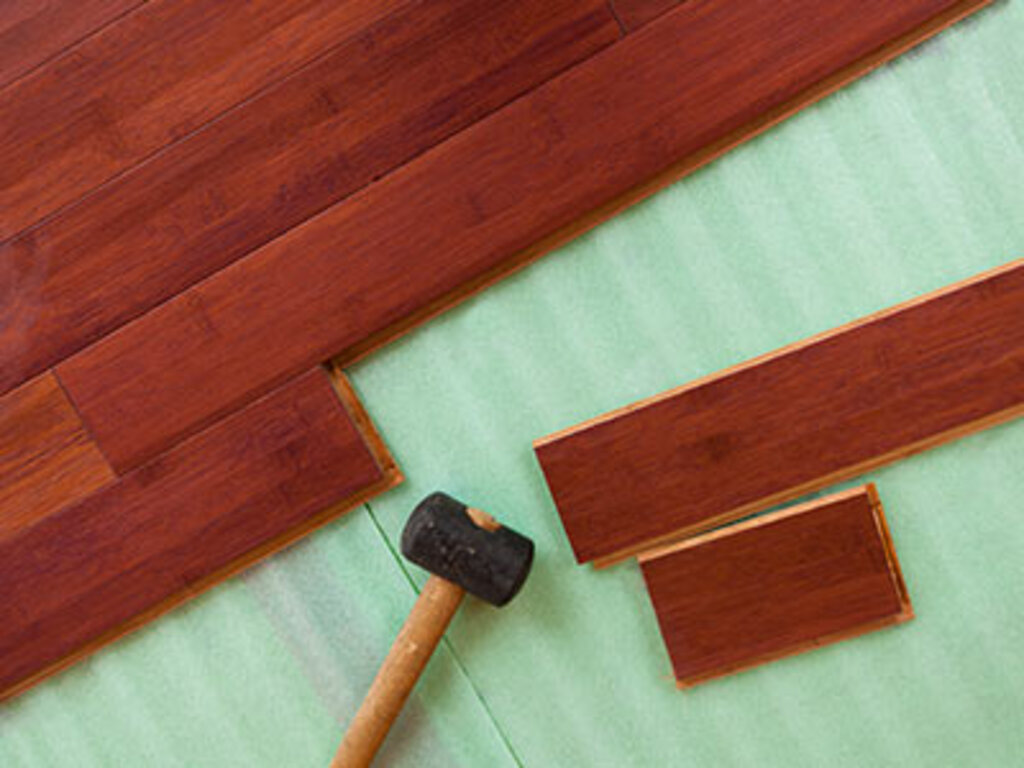 When it comes to flooring, the underlay is often an overlooked component. However, the right underlay can significantly enhance your comfort, improve sound insulation, and prolong the life of your flooring. In this ultimate guide, we will explore everything you need to know about choosing the perfect underlay for your home or office.
What is Underlay?
Underlay is a layer of material placed between the flooring and the subfloor. It serves multiple purposes, including cushioning, sound absorption, and moisture protection. Depending on the type of flooring you have—be it carpet, laminate, or hardwood—the underlay can vary in thickness, density, and material.
Choosing the right underlay is crucial for several reasons:
- Comfort: A good underlay provides cushioning, making your floors more comfortable to walk on.
- Sound Reduction: Underlay can significantly reduce noise, both from foot traffic and between rooms.
- Longevity: The right underlay can protect your flooring from wear and tear, extending its lifespan.
- Thermal Insulation: Underlay can help keep your home warmer in winter and cooler in summer.
Types of Underlay
Understanding the different types of underlay available can help you make an informed decision. Here are the most common types:
Foam Underlay
Foam underlay is one of the most popular choices for carpeted floors. It is lightweight, easy to install, and provides excellent cushioning. Foam underlay comes in various densities, which can affect its durability and comfort level.
- Pros: Affordable, Good sound absorption, Lightweight
- Cons: May compress over time, Not suitable for moisture-prone areas
Rubber Underlay
Rubber underlay is known for its durability and soundproofing qualities. It is often used in commercial settings but is also suitable for residential use, especially in high-traffic areas.
- Pros: Excellent sound insulation, Durable and long-lasting, Moisture-resistant
- Cons: More expensive than foam, Heavier, making installation more challenging
Felt Underlay
Felt underlay is made from recycled materials and is an eco-friendly option. It provides good insulation and is often used under carpets.
- Pros: Eco-friendly, Good thermal insulation, Durable
- Cons: Can be more expensive, Heavier than foam
Cork Underlay
Cork underlay is a natural product that offers excellent sound absorption and thermal insulation. It is also resistant to mold and mildew, making it a great choice for moisture-prone areas.
- Pros: Natural and sustainable, Excellent sound and thermal insulation, Resistant to mold
- Cons: Can be more expensive, Requires careful installation
Combination Underlay
Combination underlay features multiple materials to provide a balance of comfort, sound reduction, and moisture resistance. This type is often used in laminate and engineered wood flooring.
- Pros: Versatile, Offers multiple benefits, Suitable for various flooring types
- Cons: Can be more expensive, May require professional installation
Key Factors to Consider When Choosing Underlay
When selecting the perfect underlay, consider the following factors:
Flooring Type
The type of flooring you have will significantly influence your choice of underlay. For example, carpet requires a different underlay than laminate or hardwood. Always check the manufacturer's recommendations for the best results.
Comfort Level
If comfort is a priority, opt for a thicker underlay. A thicker underlay will provide more cushioning, making it more comfortable to walk on. However, keep in mind that too thick of an underlay can affect the stability of certain flooring types.
Sound Reduction
If you live in a multi-story building or have a busy household, sound reduction should be a top priority. Look for underlays specifically designed for soundproofing, such as rubber or cork.
Moisture Resistance
In areas prone to moisture, such as basements or bathrooms, choose an underlay that offers moisture resistance. Rubber and cork underlays are excellent choices for these environments.
Thermal Insulation
If you want to improve your home's energy efficiency, consider underlays that provide thermal insulation. This can help keep your home warmer in winter and cooler in summer, reducing your energy bills.
How to Install Underlay
Installing underlay is a straightforward process, but it requires careful attention to detail. Here’s a step-by-step guide:
Step 1: Prepare the Subfloor
Ensure that the subfloor is clean, dry, and level. Remove any debris, dust, or old flooring materials.
Step 2: Measure and Cut
Measure the area where you will be installing the underlay. Cut the underlay to fit, leaving a small gap around the edges for expansion.
Step 3: Lay the Underlay
Start laying the underlay in one corner of the room. Make sure the edges are butted together without overlapping. Use tape to secure the seams if necessary.
Step 4: Install Flooring
Once the underlay is in place, you can proceed to install your flooring according to the manufacturer's instructions.
Maintenance Tips for Underlay
To ensure the longevity of your underlay, follow these maintenance tips:
- Regular Cleaning: Vacuum or sweep the area regularly to remove dirt and debris.
- Check for Moisture: In moisture-prone areas, regularly check for signs of dampness or mold.
- Avoid Heavy Furniture: Use furniture pads to prevent heavy furniture from compressing the underlay.
Conclusion
Choosing the perfect underlay is essential for maximizing comfort and sound reduction in your home. By understanding the different types of underlay and considering key factors such as flooring type, comfort level, and moisture resistance, you can make an informed decision that enhances your living space.
Investing in the right underlay not only improves your flooring experience but also contributes to the overall comfort and tranquility of your home. Whether you opt for foam, rubber, felt, cork, or a combination underlay, the right choice will make all the difference.