Sustainable Beauty: Hardwood Flooring That’s Kind to the Planet
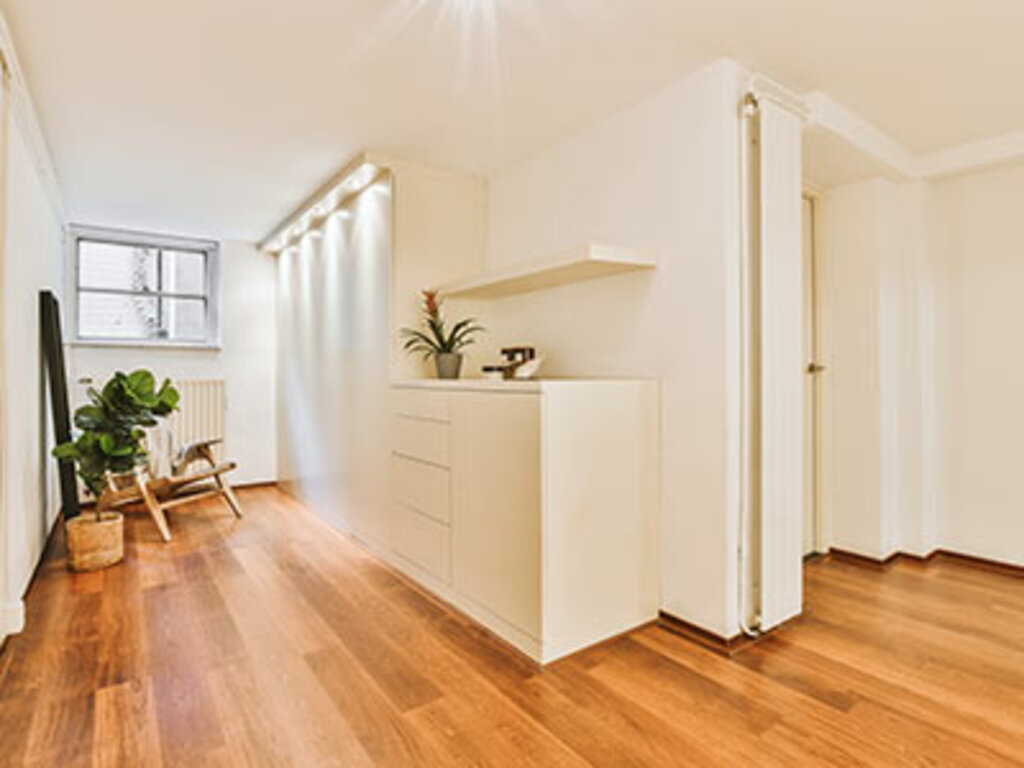 In an era where environmental consciousness is at the forefront of consumer choices, the demand for sustainable products has surged. Among these, flooring solutions have gained significant attention, particularly sustainable hardwood options. This blog post delves into the world of eco-friendly flooring, exploring the benefits, types, and installation processes of sustainable hardwood, while also providing tips for maintaining these beautiful surfaces in modern homes.
Understanding Sustainable Hardwood
Sustainable hardwood refers to wood products sourced from responsibly managed forests, where the ecological balance is maintained, and the biodiversity of the area is preserved. This type of flooring is not only aesthetically pleasing but also contributes to a healthier planet. Sustainable hardwood is often harvested from trees that are grown in a way that minimizes environmental impact, ensuring that future generations can enjoy these resources.
Key Characteristics of Sustainable Hardwood
- Renewable Resources: Sustainable hardwood comes from trees that are replanted after harvesting, ensuring a continuous supply.
- Low Environmental Impact: The harvesting process is designed to minimize damage to the surrounding ecosystem.
- Durability: Sustainable hardwood is often more durable than conventional flooring options, leading to a longer lifespan and reduced need for replacement.
Benefits of Sustainable Hardwood Flooring
Choosing sustainable hardwood flooring offers numerous advantages, both for homeowners and the environment. Here are some key benefits:
Environmental Impact
Sustainable hardwood flooring is a responsible choice for eco-conscious consumers. By opting for products that are sourced from managed forests, you are helping to reduce deforestation and promote biodiversity. Additionally, many sustainable hardwood options are produced with minimal chemical treatments, resulting in lower emissions of volatile organic compounds (VOCs) that can harm indoor air quality.
Aesthetic Appeal
Hardwood flooring is renowned for its timeless beauty and elegance. Sustainable hardwood options come in a variety of colours, grains, and finishes, allowing homeowners to choose a style that complements their interior design. Whether you prefer a rustic look or a sleek modern finish, sustainable hardwood can enhance the aesthetic of any room.
Durability and Longevity
Sustainable hardwood is often more durable than traditional flooring materials. With proper care, hardwood floors can last for decades, making them a wise investment for homeowners. Their resilience against wear and tear means fewer replacements and less waste in landfills.
Increased Home Value
Investing in sustainable hardwood flooring can increase the resale value of your home. Many buyers are willing to pay a premium for eco-friendly features, making sustainable hardwood an attractive selling point.
Health Benefits
Sustainable hardwood flooring is often free from harmful chemicals and toxins, contributing to a healthier indoor environment. Unlike carpets that can trap allergens and dust, hardwood floors are easy to clean and maintain, promoting better air quality in your home.
Types of Sustainable Hardwood Flooring
When it comes to sustainable hardwood flooring, there are several options to consider. Each type has its unique characteristics, benefits, and aesthetic appeal.
Reclaimed Wood
Reclaimed wood is sourced from old buildings, barns, and other structures that are being demolished or renovated. This type of wood is not only eco-friendly but also rich in history and character. Reclaimed wood flooring can add a rustic charm to your home, with unique grains and colors that tell a story.
Benefits of Reclaimed Wood
- Environmental Impact: By reusing existing wood, you reduce the demand for new lumber and help decrease deforestation.
- Unique Aesthetic: Each piece of reclaimed wood has its history, making your flooring truly one-of-a-kind.
- Durability: Reclaimed wood is often more durable than new wood, as it has already withstood the test of time.
Bamboo Flooring
Bamboo is a grass, not a tree, which makes it one of the fastest-growing plants on the planet. Bamboo flooring is a sustainable alternative to traditional hardwood, as it can be harvested every 3-5 years without harming the plant.
Benefits of Bamboo Flooring
- Rapid Growth: Bamboo can grow up to 3 feet in a single day, making it a highly renewable resource.
- Variety of Styles: Bamboo flooring comes in various colours and styles, allowing for versatile design options.
- Durability: High-quality bamboo flooring is incredibly strong and resistant to wear.
Cork Flooring
Cork is harvested from the bark of cork oak trees, which can regenerate after harvesting. This makes cork flooring a sustainable choice that is also comfortable underfoot.
Benefits of Cork Flooring
- Natural Insulation: Cork has excellent thermal and acoustic insulation properties, making it a cosy choice for homes.
- Hypoallergenic: Cork is resistant to mould and mildew, making it a great option for allergy sufferers.
- Sustainable Harvesting: The harvesting process does not harm the tree, allowing it to continue growing and producing cork for years to come.
FSC-Certified Wood
The Forest Stewardship Council (FSC) is an organisation that promotes responsible forest management. FSC-certified wood comes from forests that meet strict environmental and social standards.
Benefits of FSC-Certified Wood
- Assured Sustainability: Purchasing FSC-certified wood ensures that you are supporting sustainable forestry practices.
- Wide Availability: Many manufacturers offer FSC-certified hardwood options, making it easier to find the right flooring for your home.
- Quality Assurance: FSC certification guarantees that the wood is sourced from well-managed forests, ensuring its quality and durability.
Installation of Sustainable Hardwood Flooring
Installing sustainable hardwood flooring can be a rewarding DIY project or a job for a professional installer. Here’s a step-by-step guide to help you through the process.
Step 1: Prepare the Subfloor
Before installation, ensure that your subfloor is clean, dry, and level. Remove any old flooring and repair any damage to the subfloor.
Step 2: Acclimate the Wood
Allow your hardwood flooring to acclimate to the room’s temperature and humidity for at least 48 hours. This helps prevent warping and ensures a proper fit.
Step 3: Plan the Layout
Decide on the layout of your flooring. Most homeowners choose to install planks parallel to the longest wall or the main light source in the room.
Step 4: Install the Flooring
Depending on the type of flooring you choose, installation methods may vary. Here are a few common methods:
- Nail Down: This method is typically used for solid hardwood flooring. Planks are nailed to the subfloor using a flooring nailer.
- Glue Down: This method is often used for engineered hardwood and cork flooring. The adhesive is applied to the subfloor, and planks are pressed into place.
- Floating: This method is common for laminate and some engineered hardwoods. Planks are interlocked and do not require nails or glue.
Step 5: Finish the Floor
Once the flooring is installed, you may need to sand and finish the surface, depending on the type of wood and your desired look. Choose a non-toxic finish to maintain the eco-friendly nature of your flooring.
Maintaining Your Sustainable Hardwood Floors
Proper maintenance is essential to prolong the life of your sustainable hardwood flooring. Here are some tips to keep your floors looking beautiful:
1. Regular Cleaning
Sweep or vacuum your floors regularly to remove dirt and debris. Use a damp mop with a pH-neutral cleaner specifically designed for hardwood floors to avoid damaging the finish.
2. Avoid Excess Water
Water can damage hardwood flooring, so avoid excessive moisture. Wipe up spills immediately and use a damp mop rather than soaking the floor.
3. Use Area Rugs
Place area rugs in high-traffic areas to protect your floors from scratches and wear. Ensure that the rugs have a non-slip backing to prevent accidents.
4. Maintain Humidity Levels
Wood can expand and contract with changes in humidity. Use a humidifier in dry months and a dehumidifier in humid months to maintain a consistent indoor environment.
5. Refinish When Necessary
Over time, your hardwood floors may show signs of wear. Consider refinishing them every 5-10 years to restore their beauty and protect the wood.
Conclusion
Sustainable hardwood flooring is an excellent choice for modern homes, offering a perfect blend of beauty, durability, and environmental responsibility. By choosing eco-friendly options like reclaimed wood, bamboo, cork, or FSC-certified wood, you can create a stunning living space that reflects your commitment to sustainability. With proper installation and maintenance, your sustainable hardwood floors will not only enhance your home’s aesthetic but also contribute to a healthier planet for generations to come.
As you embark on your flooring journey, remember that every choice you make has an impact. By opting for sustainable hardwood, you are not just investing in your home, you are investing in the future of our planet. Embrace the beauty of sustainable hardwood havens and enjoy the peace of mind that comes with making eco-friendly choices.