How to Choose Parquet Flooring: Buyer's Guide
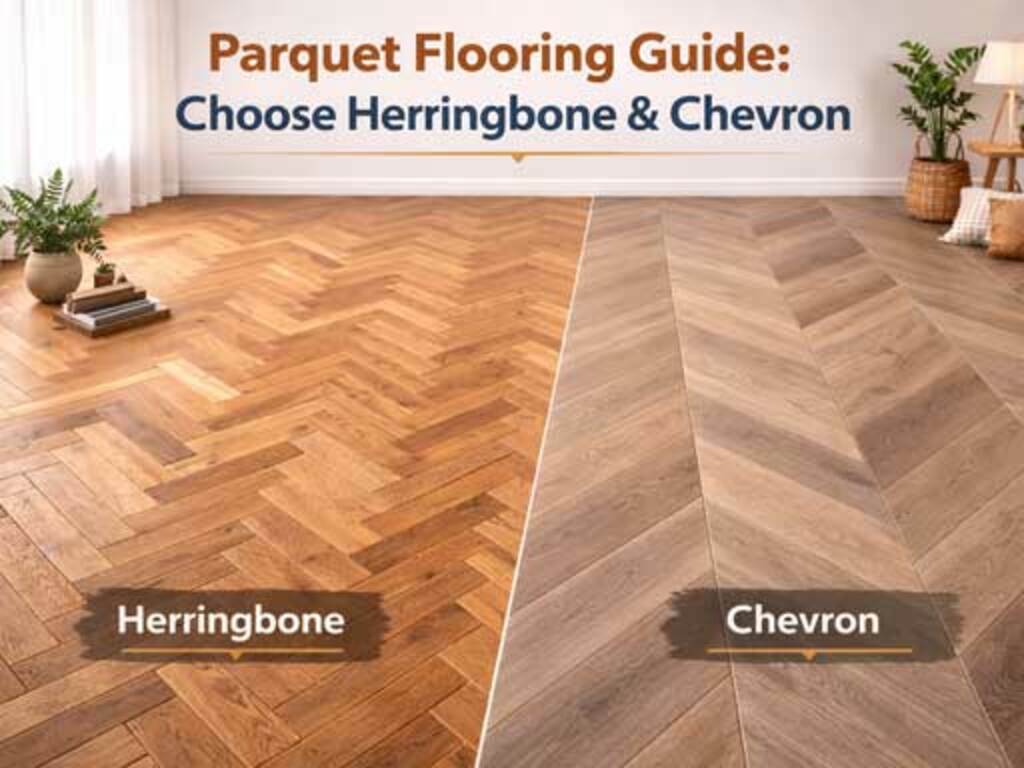 Parquet flooring represents one of the most sophisticated and durable flooring options available to homeowners. Unlike standard laminate or vinyl alternatives, genuine parquet consists of solid wood blocks arranged in distinctive geometric patterns. A parquet flooring guide should address the fundamental differences between pattern styles, timber species, and construction methods that determine both aesthetic appeal and long-term performance.
When considering parquet flooring for your home, you're investing in a material that can last 20-30 years or more with proper maintenance. The choice between herringbone and chevron patterns, combined with your preferred wood species, significantly impacts the final appearance, installation costs, and durability of your floor.
Herringbone vs Chevron: Pattern Differences Explained
These two pattern styles are often confused, yet they create distinctly different visual effects in any room. Understanding these differences is essential when selecting parquet flooring.
Herringbone Pattern: Classic and Versatile
Herringbone patterns feature rectangular blocks laid at 90-degree angles, creating a distinctive zigzag appearance. Each block sits perpendicular to its neighbour, forming a V-shaped pattern that moves progressively across the floor. This traditional design offers several advantages: it visually elongates spaces, works well in both modern and period properties, and provides excellent structural stability due to the overlapping arrangement of wood blocks.
The herringbone pattern requires precise installation because blocks must be cut at specific angles where they meet walls and obstacles. Many installers find this pattern slightly more straightforward than chevron variants, though professional fitting remains essential.
Chevron Pattern: Modern Elegance
Chevron patterns create a more uniform V-shaped design, with blocks forming continuous diagonal lines across the floor. Unlike herringbone, chevron blocks are cut at 45-degree angles at their ends, creating pointed corners that align perfectly without overlapping. This creates a seamless, flowing appearance that feels more contemporary.
Chevron patterns deliver visual drama and modern sophistication but require absolute precision during installation. The pointed ends leave minimal room for error, making this pattern typically more expensive to fit than herringbone alternatives.
Comparing Wood Species for Your Parquet Floor
The timber species you select fundamentally affects your parquet flooring's appearance, durability, and maintenance requirements. Leading brands like Boen and Elka offer comprehensive ranges across multiple species options.
Oak: Timeless and Hardwearing
Oak remains the most popular choice for parquet flooring due to its superior hardness, attractive grain patterns, and proven longevity. European oak features a subtle, sophisticated grain that suits both traditional and contemporary interiors. The wood's natural colour ranges from pale honey to warm golden tones, offering versatility with different décor schemes.
Oak parquet flooring typically costs less than exotic species whilst delivering exceptional durability. It resists wear effectively in high-traffic areas and takes stain finishes beautifully, allowing you to customise the final appearance.
Walnut: Premium Sophistication
Walnut wood delivers darker, richer tones with striking chocolate and purple-brown hues. This premium species creates instantly luxurious interiors and complements both modern minimalist and classic traditional design schemes. Walnut's unique character comes from dramatic grain variations that make each plank genuinely individual.
This species commands higher prices and requires slightly more careful maintenance due to increased vulnerability to scratches, though its hardness rating remains adequate for domestic use.
Ash: Light and Contemporary
Ash provides lighter tones with subtle grey undertones, making it ideal for contemporary properties and homes with minimalist interiors. This medium-hardness timber offers good durability whilst maintaining a clean, Scandinavian aesthetic. Ash pairs exceptionally well with underfloor heating systems due to its stability.
Exotic Species and Mixed Hardwoods
Premium brands like Tradition Classics offer exotic timber options, including jatoba, tigerwood, and merbau. These species deliver exceptional hardness, distinctive colours, and unique grain patterns that create truly statement floors. However, exotic woods typically cost significantly more and may present sustainability concerns, making them suitable primarily for specialist projects or period renovations.
Essential Factors When Choosing Parquet Flooring
Beyond patterns and species, several practical considerations influence whether parquet flooring suits your specific circumstances.
Installation Method and Subfloor Requirements
Parquet flooring demands professional installation on properly prepared subfloors. Your home's existing flooring, moisture levels, and underfloor heating compatibility all require assessment before selection. Some modern parquet ranges from brands like Boen feature engineered construction rather than solid wood, offering improved stability and suitability for challenging subfloors, including underfloor heating applications.
Installation costs typically range from £30-£60 per square metre for straightforward patterns, rising to £60-£100+ for complex herringbone or chevron arrangements requiring extensive cutting and bespoke fitting.
Maintenance and Durability Considerations
Genuine parquet flooring requires regular maintenance to preserve its appearance. Here's what ongoing care involves:
- Vacuum or dry-sweep weekly to remove dirt and debris that scratches the surface
- Clean spills immediately to prevent moisture penetration and wood damage
- Apply protective mats beneath furniture to prevent indentation marks
- Use humidity controls to maintain moisture levels between 45-55%, preventing expansion and contraction
- Schedule professional refinishing every 7-10 years, depending on wear patterns
- Avoid excessive moisture exposure, making parquet unsuitable for kitchens or bathrooms
Budget and Value Considerations
Parquet flooring represents a significant investment, but offers exceptional long-term value. Material costs vary dramatically:
- Basic oak herringbone from established manufacturers costs approximately £40-£60 per square metre
- Premium walnut or ash herringbone typically ranges from £60-£100 per square metre
- Exotic species and hand-finished options exceed £100 per square metre
- Engineered parquet alternatives cost slightly less while offering improved stability
- Installation, underlay, and finishing add £50-£100 per square metre to total project costs
This substantial outlay makes selecting precisely the right pattern and species crucial, as refinishing or replacement later becomes extremely expensive.
Practical Guidance: Making Your Selection
When evaluating parquet flooring options, visit showrooms to experience different patterns and species in person. Lighting dramatically affects how wood colours appear, so assess samples in your own home before committing to purchases. Consider your property's architectural style, existing décor, and the room's natural light levels.
For period properties, herringbone patterns in traditional oak species typically offer the most authentic aesthetic. Contemporary homes benefit from chevron arrangements in lighter woods like ash. Walnut works beautifully in both contexts, though its premium pricing suits properties where investment in high-quality finishes justifies the additional expenditure.
Professional fitters experienced with your chosen brand—whether Boen, Elka, or Tradition Classics—can advise on suitability for your specific subfloor conditions and provide accurate installation timescales and costs.
Making Informed Parquet Flooring Decisions
Selecting parquet flooring requires careful consideration of aesthetic preferences, practical durability requirements, and budget parameters. Herringbone patterns suit traditional properties and offer excellent visual impact, whilst chevron designs deliver contemporary sophistication. Your timber species selection balances appearance against maintenance requirements and long-term investment potential. By understanding these key factors and consulting experienced installers familiar with quality brands, you'll select parquet flooring that delivers lasting beauty and exceptional performance throughout your home.