Eco-Friendly Engineered Flooring for Stylish Homes in 2025
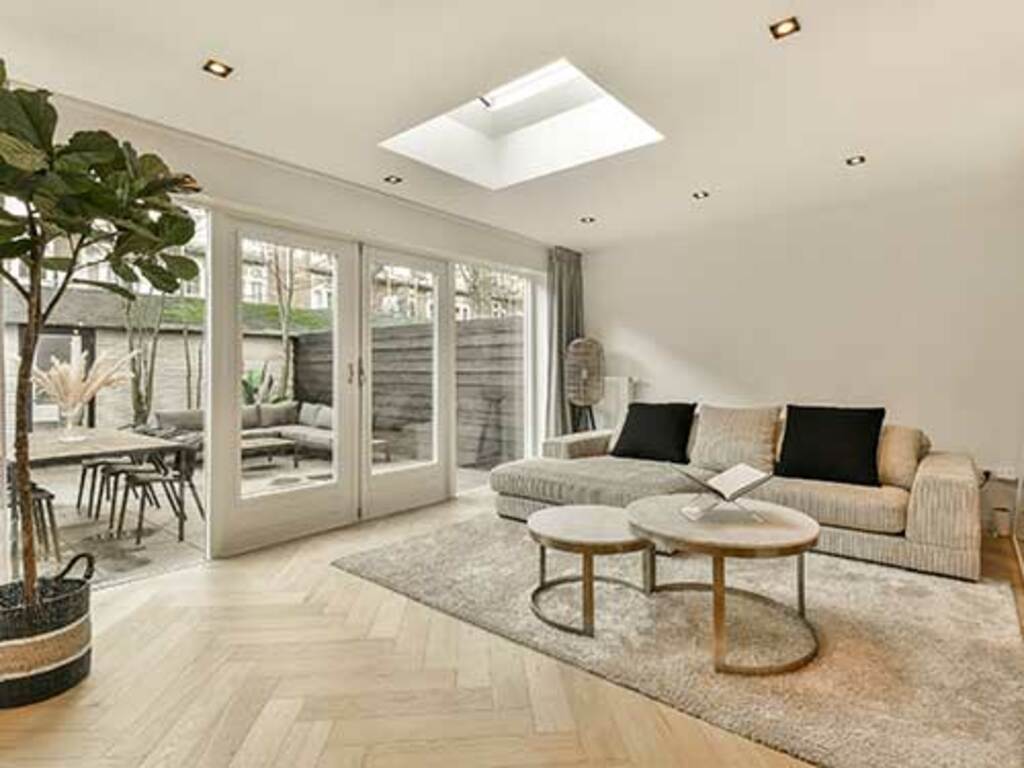 In recent years, sustainability has become more than just a buzzword; it's a lifestyle choice embraced by homeowners, architects, designers, and DIY enthusiasts alike. As we step into 2025, eco-friendly engineered flooring has emerged as a leading trend, combining environmental responsibility with stylish aesthetics. Whether you're a young professional redecorating your first home, an architect designing sustainable spaces, or a tradesman looking to offer eco-conscious solutions, engineered flooring provides a versatile, durable, and environmentally friendly option.
In this comprehensive guide, we'll explore the benefits, types, installation methods, and maintenance tips for eco-friendly engineered flooring. We'll also delve into the latest trends and innovations shaping the flooring industry in 2025, helping you make informed decisions for your next home improvement project.
What is Eco-Friendly Engineered Flooring?
Eco-friendly engineered flooring is a type of flooring constructed from multiple layers of sustainable materials, typically featuring a top layer of real hardwood veneer bonded to a core of recycled or sustainably sourced wood fibres. Unlike traditional solid hardwood flooring, engineered flooring uses fewer natural resources, reduces waste, and offers greater stability and durability.
The core layers are often made from recycled wood fibres, plywood, or high-density fibreboard (HDF), which significantly reduces the environmental impact compared to solid hardwood. The top veneer layer, usually between 2mm and 6mm thick, provides the authentic look and feel of natural wood, allowing homeowners to enjoy the beauty of hardwood without the environmental drawbacks.
Manufacturers of eco-friendly engineered flooring prioritise sustainability throughout the production process. This includes sourcing wood from responsibly managed forests certified by organisations such as the Forest Stewardship Council (FSC) or Programme for the Endorsement of Forest Certification (PEFC). These certifications ensure that the wood used is harvested sustainably, protecting biodiversity and supporting local communities.
Additionally, eco-friendly engineered flooring often utilises low-VOC (volatile organic compound) adhesives and finishes, reducing indoor air pollution and creating healthier living environments. This makes engineered flooring an ideal choice for families, allergy sufferers, and environmentally conscious homeowners.
In 2025, technological advancements have further enhanced the sustainability of engineered flooring. Innovations such as water-based finishes, improved recycling processes, and carbon-neutral manufacturing practices have made engineered flooring one of the most eco-friendly flooring options available today.
Benefits of Choosing Eco-Friendly Engineered Flooring
1. Sustainability and Environmental Responsibility
One of the primary benefits of eco-friendly engineered flooring is its reduced environmental impact. By using recycled materials and sustainably sourced wood, engineered flooring helps conserve natural resources and minimise deforestation. Choosing flooring certified by FSC or PEFC ensures that your flooring choice supports responsible forestry practices.
Additionally, engineered flooring production generates less waste compared to traditional hardwood flooring. The manufacturing process utilises wood fibres and offcuts that would otherwise be discarded, significantly reducing landfill waste and promoting a circular economy.
Many manufacturers have also adopted carbon-neutral production methods, offsetting their carbon emissions through renewable energy sources and reforestation projects. By choosing eco-friendly engineered flooring, you actively contribute to global sustainability efforts and reduce your home's carbon footprint.
2. Durability and Stability
Engineered flooring is renowned for its exceptional durability and stability. The multi-layered construction provides greater resistance to moisture, temperature fluctuations, and humidity compared to solid hardwood flooring. This makes engineered flooring suitable for installation in areas prone to moisture, such as kitchens, bathrooms, and basements.
The stability of engineered flooring also reduces the risk of warping, cupping, or shrinking, ensuring your flooring remains beautiful and functional for many years. This longevity reduces the need for frequent replacements, further enhancing its sustainability credentials.
High-quality engineered flooring can last for decades with proper care and maintenance, making it a cost-effective and environmentally friendly investment for your home.
3. Versatility and Aesthetic Appeal
Eco-friendly engineered flooring offers unparalleled versatility in terms of design, colour, and finish options. The top veneer layer is available in a wide range of wood species, including oak, walnut, maple, and bamboo, allowing you to achieve your desired aesthetic effortlessly.
Whether you prefer a contemporary, minimalist look or a traditional, rustic charm, engineered flooring can complement any interior design style. The availability of various plank widths, lengths, and finishes further enhances its versatility, enabling you to create unique and personalised spaces.
In 2025, trends such as wide-plank flooring, matte finishes, and natural wood tones continue to dominate interior design, and engineered flooring perfectly aligns with these preferences. Its authentic appearance and tactile feel closely mimic solid hardwood, providing a luxurious and stylish flooring solution.
4. Easy Installation and Maintenance
Engineered flooring is designed for easy installation, making it an ideal choice for DIY enthusiasts and professional tradesmen alike. Many engineered flooring products feature click-lock systems, allowing for quick and straightforward installation without the need for adhesives or nails.
This ease of installation reduces labour costs and minimises disruption during home renovations. Additionally, engineered flooring can be installed over various subfloors, including concrete, plywood, and existing flooring, providing greater flexibility and convenience.
Maintenance of engineered flooring is equally straightforward. Regular sweeping or vacuuming, combined with occasional damp mopping using eco-friendly cleaning products, is sufficient to keep your flooring looking pristine. The durable finishes applied to engineered flooring resist scratches, stains, and wear, ensuring minimal upkeep and long-lasting beauty.
Popular Types of Eco-Friendly Engineered Flooring in 2025
In 2025, several types of eco-friendly engineered flooring have gained popularity among UK homeowners and designers. Here are some of the most sought-after options:
- FSC-Certified Oak Engineered Flooring: Oak remains a timeless favourite, offering durability, versatility, and classic elegance. FSC-certified oak flooring ensures sustainable sourcing and responsible forestry practices.
- Bamboo Engineered Flooring: Bamboo is a rapidly renewable resource, making it an exceptionally eco-friendly choice. Engineered bamboo flooring combines sustainability with strength, stability, and contemporary aesthetics.
- Reclaimed Wood Engineered Flooring: Reclaimed wood flooring repurposes timber from old buildings, barns, and warehouses, giving new life to materials that would otherwise be discarded. This option provides unique character, history, and sustainability.
- Cork Engineered Flooring: Cork is harvested from the bark of cork oak trees without harming the tree itself, making it a highly sustainable material. Cork flooring offers excellent insulation, comfort, and acoustic properties.
Comparison Table: Popular Eco-Friendly Engineered Flooring Options
| Flooring Type |
Sustainability Rating |
Durability |
Installation Difficulty |
Cost (per m²) |
| FSC-Certified Oak |
High |
Excellent |
Easy |
£35 - £60 |
| Bamboo |
Very High |
Excellent |
Easy |
£25 - £50 |
| Reclaimed Wood |
Very High |
Good |
Moderate |
£50 - £80 |
| Cork |
Very High |
Good |
Easy |
£30 - £55 |
By choosing eco-friendly engineered flooring, you can create stylish, sustainable, and healthy living spaces that reflect your values and enhance your home's beauty. Embrace sustainability in 2025 and beyond with engineered flooring solutions that benefit both your home and the planet.