Budget-Friendly Brilliance: High-End Flooring Looks Without the Premium Price Tag
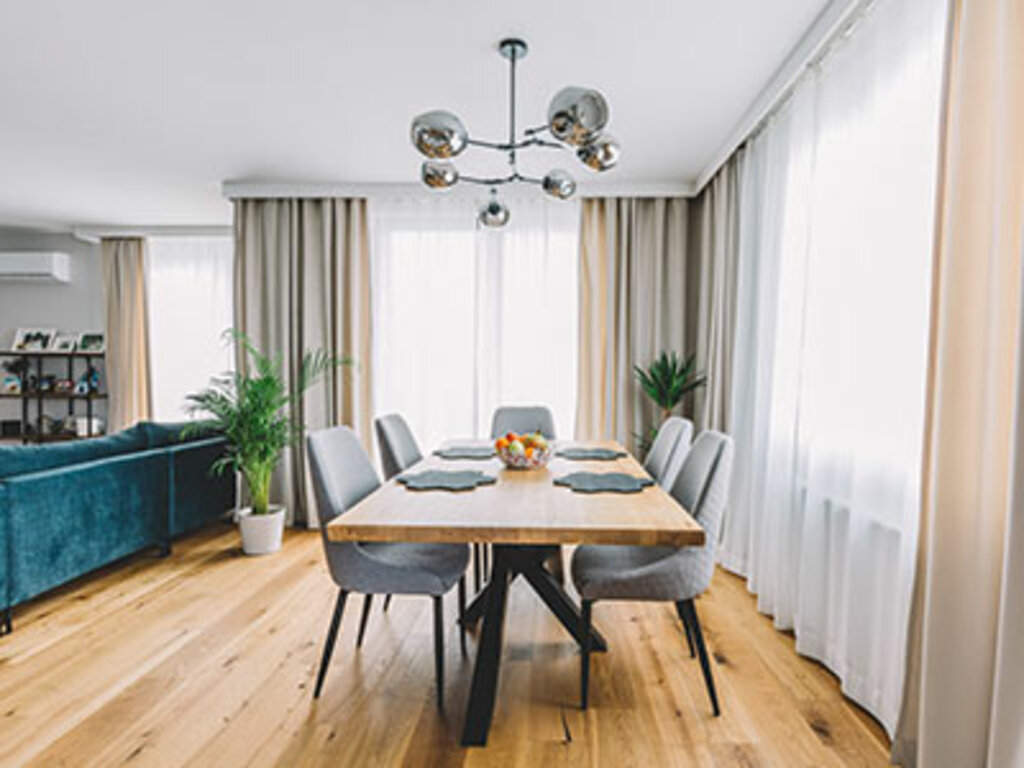 When it comes to home design, flooring is one of the most significant elements that can dramatically influence the overall aesthetic and feel of a space. However, achieving that high-end look often comes with a hefty price tag. Fortunately, numerous budget-friendly alternatives can provide the luxurious appearance of high-end flooring without breaking the bank. In this comprehensive guide, we’ll explore various flooring options, tips for installation, maintenance, and how to achieve that upscale look on a budget.
Understanding High-End Flooring Options
Before diving into budget-friendly alternatives, it’s essential to understand what makes high-end flooring so desirable. High-end flooring options like hardwood, natural stone, and luxury tiles are often characterised by their durability, aesthetic appeal, and the value they add to a home.
Hardwood Flooring
Hardwood flooring is a classic choice that exudes warmth and elegance. It’s available in various species, colors, and finishes, making it versatile for any design style. However, solid hardwood can be quite expensive, especially for larger spaces.
Natural Stone
Natural stone flooring, such as marble, granite, or slate, offers a unique and luxurious look. Each stone has its own distinct patterns and colors, but the cost of natural stone can be prohibitive for many homeowners.
Luxury Vinyl Plank (LVP)
Luxury vinyl plank is a popular choice for its realistic wood appearance and durability. While it’s more affordable than hardwood, it can still be considered a premium option.
Porcelain and Ceramic Tile
Porcelain and ceramic tiles are known for their durability and water resistance. They come in various styles, including those that mimic natural stone or wood, but high-quality options can still be pricey.
Carpet
Carpet can add warmth and comfort to a space, but high-end carpets made from natural fibers like wool can be quite costly.
Budget-Friendly Alternatives
Now that we’ve established what high-end flooring options are, let’s explore budget-friendly alternatives that can provide a similar look without the premium price tag.
Engineered Hardwood
Engineered hardwood consists of a thin layer of real wood on top of a plywood base. It offers the same aesthetic as solid hardwood but at a fraction of the cost. Engineered hardwood is also more resistant to moisture, making it suitable for various areas in the home.
Laminate Flooring
Laminate flooring is an excellent budget-friendly option that can mimic the look of hardwood or stone. It’s made from composite wood and is available in a wide range of styles and finishes. Laminate is also easy to install and maintain, making it a popular choice for DIY enthusiasts.
Vinyl Flooring
Vinyl flooring is another affordable alternative that comes in sheets, tiles, or planks. It’s water-resistant, durable, and available in countless designs, including those that replicate wood and stone. Modern vinyl options are often indistinguishable from their more expensive counterparts.
Luxury Vinyl Tile (LVT)
Luxury vinyl tile (LVT) is designed to look like natural materials while providing the benefits of vinyl. It’s thicker and more durable than standard vinyl, making it a great choice for high-traffic areas. LVT is also easy to install and maintain.
Faux Stone and Tile Options
Faux stone and tile options, such as peel-and-stick tiles or textured vinyl, can provide the look of natural materials without the cost. These products are often lightweight and easy to install, making them ideal for budget-conscious homeowners.
Tips for Achieving a High-End Look
Achieving a high-end look with budget-friendly flooring is all about the details. Here are some tips to elevate your space:
Color and Texture
Choose colors and textures that mimic high-end materials. For example, opt for a rich, dark wood finish or a light, airy stone look. Textured finishes can also add depth and interest to your flooring.
Patterns and Layout
Consider unique patterns or layouts to create visual interest. Herringbone or chevron patterns can make laminate or vinyl flooring look more upscale. Additionally, using larger tiles can create a more spacious feel.
Finishing Touches
Don’t forget about the finishing touches! Baseboards, trim, and area rugs can enhance the overall look of your flooring. Choose high-quality materials for these elements to complement your budget-friendly flooring.
Installation Tips for DIY Enthusiasts
If you’re considering a DIY installation, here are some essential tips to ensure a successful project.
Tools You’ll Need
Before starting your installation, gather the necessary tools, including:
- Measuring tape
- Utility knife
- Trowel (for adhesive)
- Level
- Spacers
- Hammer
- Flooring cutter (for laminate or vinyl)
Step-by-Step Installation Guide
- Prepare the Subfloor: Ensure the subfloor is clean, dry, and level. Remove any old flooring and repair any damage.
- Acclimate Your Flooring: Allow your new flooring to acclimate to the room’s temperature and humidity for at least 48 hours.
- Plan Your Layout: Decide on the layout and pattern of your flooring. Use spacers to maintain expansion gaps around the edges.
- Install the Flooring: Follow the manufacturer’s instructions for installation. For click-lock flooring, simply snap the planks together. For glue-down options, apply adhesive and lay the tiles or planks.
- Finish with Trim: Once the flooring is installed, add baseboards or trim to complete the look.
Hiring a Professional vs. DIY
While DIY installation can save money, hiring a professional may be worth the investment for complex projects. Consider your skill level, the size of the area, and the type of flooring when making your decision.
Maintenance and Care for Longevity
To keep your budget-friendly flooring looking its best, proper maintenance is essential.
Cleaning Tips
- Regular Sweeping: Sweep or vacuum regularly to remove dirt and debris.
- Mopping: Use a damp mop with a gentle cleaner suitable for your flooring type. Avoid excessive water, especially on laminate and engineered hardwood.
- Spot Cleaning: Address spills and stains promptly to prevent damage.
Preventative Measures
- Use Area Rugs: Place area rugs in high-traffic areas to protect your flooring.
- Furniture Pads: Use felt pads under furniture legs to prevent scratches.
- Avoid Harsh Chemicals: Steer clear of abrasive cleaners that can damage the finish.
Repairing Minor Damage
For minor scratches or dents, consider using a wood filler or touch-up kit for hardwood or laminate. For vinyl, a repair kit can help fix small tears or gouges.
Conclusion
Achieving a high-end flooring look doesn’t have to come with a premium price tag. By exploring budget-friendly alternatives like engineered hardwood, laminate, and luxury vinyl, you can create a stunning space that reflects your style without overspending. With the right installation techniques and maintenance practices, your flooring can look beautiful and last for years to come. Embrace your creativity, and transform your home into a luxurious haven on a budget!